In The Air & On The Ground: How Pilots Slow Planes Down
Energy management during descent takes practice and attention.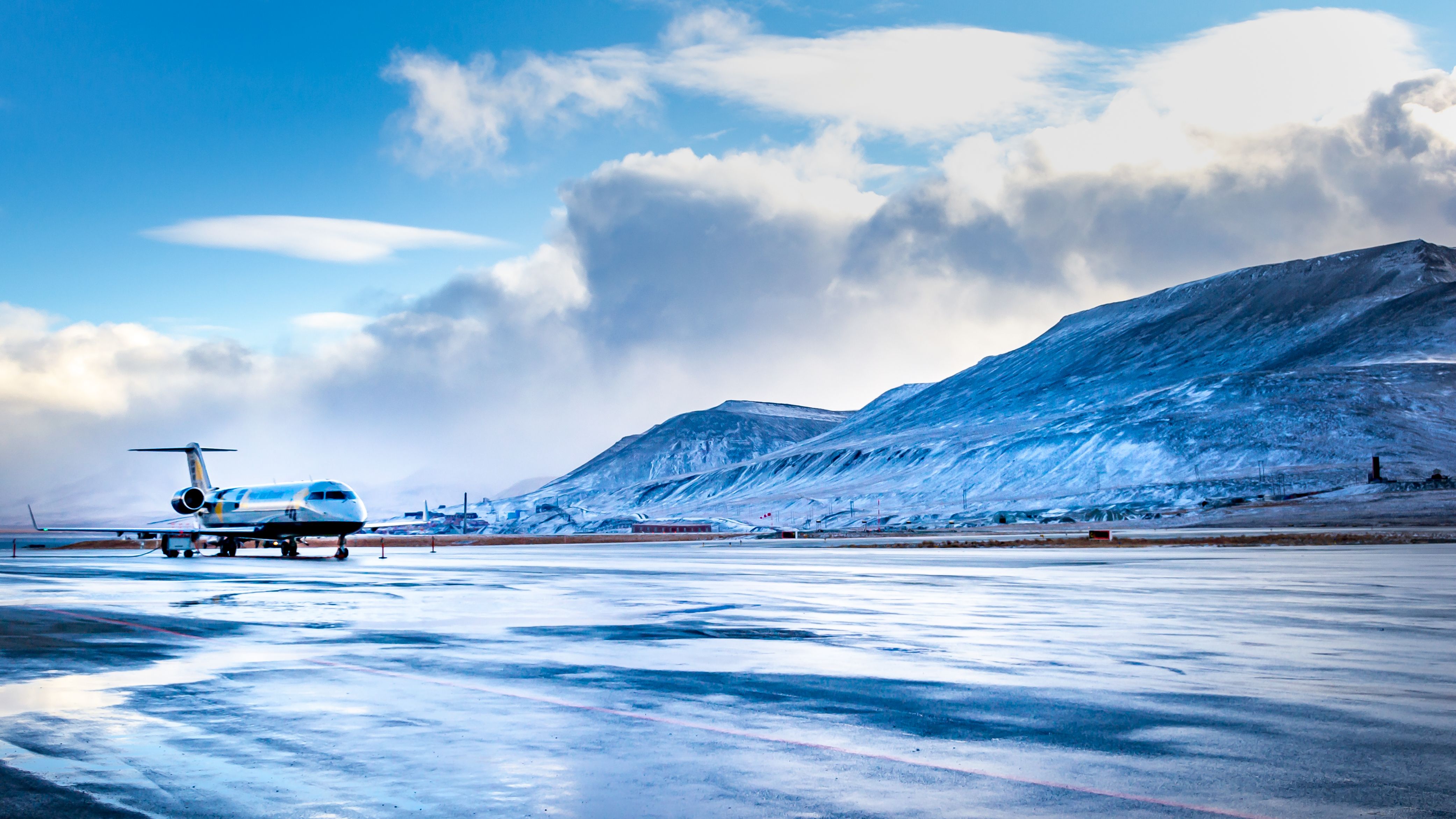
Photo: Tetyana Dotsenko I Shutterstock
One of the more complex learning curves when a pilot transitions from flying light aircraft to jets is how to slow down. The plane carries considerable kinetic and potential energy in cruise flight due to its airspeed and altitude. Dissipating this energy takes attention and planning. Here's how pilots slow a commercial airplane.
Slowing in the airA noticeable change as a plane transitions from level flight to descent is a reduction in engine power. Depending on how high and fast a plane cruises, the engines produce roughly 60-80 % of its maximum rated thrust. Little to no thrust is needed to descend and slow unless the selected descent profile is extremely shallow (less than 2 degrees or so, depending on the wind conditions). The first indication to passengers that a plane is descending is the reduction in engine power, but that might not mean the aircraft is slowing.
The most comfortable and quiet way for pilots to reduce the speed of a plane during the stages of descent is to level off briefly. Leveling without applying thrust sharply reduces the airspeed. When ATC instructs pilots to cross a waypoint at an altitude and an airspeed, pilots might descend to the assigned altitude, then slow down once level at the altitude.
Alternatively, pilots can also use speed brakes. Deployed via a lever on the control pedestal, speed brakes (or spoilers) rise from the tops of the wings. They generate a lot of drag and effectively slow a plane even while descending if fully deployed. Pilots avoid using the full speed brake setting to produce a smoother, quieter ride for passengers. Full speed brakes are pretty handy in a pinch, though.
Pilots have two additional drag-producing tools at their disposal to help slow in the air: the landing gear and flaps. Both gear and flaps have speed limits at which they can be used. Pilots ensure they are comfortably below the maximum speed for each degree of deployment before requesting their colleague to select the desired setting.
The gear produces even more drag than full speed brake deployment. You can hear the engines add thrust to counteract the additional drag when the gear is lowered on final approach. Lowering the gear is extremely useful if pilots want to slow down quickly. Flaps allow the plane to be flown at lower speeds because they generate more lift by increasing the wing's chord line. They also produce drag and help slow the aircraft for landing.
Slowing on the groundPilots use spoilers, reverse thrust, and wheel braking on the ground. Each has its benefits and works more effectively in particular conditions. On a dry runway, spoilers and wheel braking are very effective. The spoilers disrupt the airflow over the wing and reduce lift. This simultaneously puts more downward force on the wheels, which makes wheel braking more effective.
Pilots rely on reverse thrust on a wet or slippery runway more than usual. Wheel braking is less effective on water and ice until a slower speed, so reverse thrust and spoilers are proportionally more advantageous. You can tell the thrust reversers are working when the cowling sides open as the engine directs the airflow backward. You also hear a thundering "whooshing" noise.
Every aircraft has unique aerodynamic characteristics, and pilots learn to manage their aircraft through training and experience. Descending and slowing are some of the more challenging components of flying jets, and learning to manage the aircraft's energy efficiently and smoothly is a fun and rewarding part of piloting.
Джерело інформації: Simple Flying